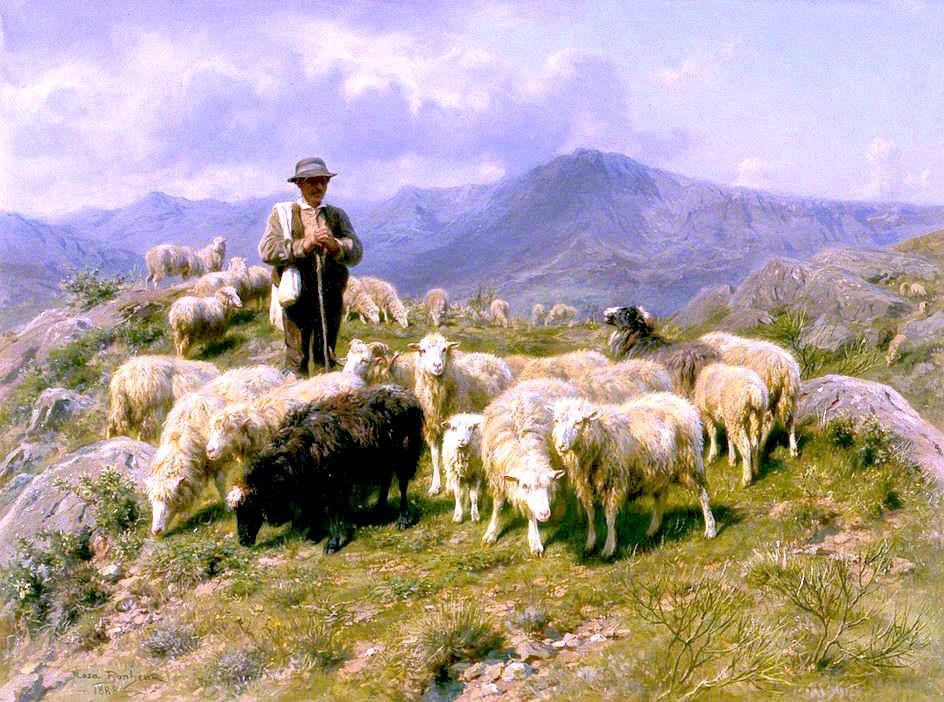
The metaphor of the shepherd has always been a powerful one, rooted in images of the land, of protection, and the relationship of the shepherd and his flock, though even the poets of the pastoral idyll probably knew that the lives of real shepherds could be muddy, bloody, and heartbreaking as well as rewarding. This discussion class will focus on works by two 21st-century shepherds. James Rebanks, living in the Fells of the Lake District in England, always knew that he wanted to be a shepherd and to follow his father and grandfather onto the land. As a schoolboy, he rejected the idea, “that shepherding wasn’t enough and that he should reach beyond it” so strongly that he rejected schooling as well, only returning to academic studies in midlife. In his writing, he is a passionate advocate for his way of life as he reflects on nature, family, and the world around him. Helen Whybrow, living in the Green Mountains of Vermont, came to farming as an adult and a novice and her account of being a shepherd captures the pain of early mistakes, the richness of becoming a part of her world, and the rhythms of life and family, as she also reflects on the history and nature of being a shepherd. Even those of us who are far from being shepherds, can ground ourselves in this world for a time. Our primary reading will be: The Shepherd’s Life: Modern Dispatches from an Ancient Landscape by James Rebanks (Flatiron Books), and The Salt Stones: Seasons of a Shepherd’s Life, by Helen Whybrow (Milkweed Editions).
These two works will be the primary focus of class discussion, although we will include poems and reflections about sheep and shepherding by other authors as well.
Instructor Ann Nesslage is a graduate of Vassar, with a M.A. in British literature from Bryn Mawr. Ann retired from Choate Rosemary Hall, where she taught different levels of literature including British Studies and world literature. She also created electives in fantasy literature, satire, Early Irish and Welsh literature, and other topics. Ann lives in Bremen, where she enjoys reading and gardening and serves on the Bremen Conservation Commission and the library board. She is a member of the CSC Curriculum Committee and the Nominating Committee. Ann enjoys creating new courses for CSC, and she is fascinated by the connection of writers to their landscapes. Turning to something grounded in nature seemed especially appealing for this spring course.